
This week’s updates offer a closer look at the systems that determine how content is discovered across Google’s ecosystem. With the completion of the February 2026 Discover Core Update, new documentation explaining how crawling works, and clarifications around image thumbnail selection, Google is shedding more light on the infrastructure behind content visibility. At the same time, a newly granted patent hints at a possible future where AI-generated pages sit between users and the web.
Together, these developments highlight how discovery, crawling, and AI-driven interfaces are shaping the next phase of search.
Google has officially finished rolling out the February 2026 Discover Core Update, marking the first time the company has launched a core update focused exclusively on Google Discover, the personalized content feed in the Google app and on mobile devices. The rollout began on February 5, 2026 and was completed on February 27, taking about three weeks to finish.
This update is notable because traditional Google core updates typically affect both Search rankings and Discover, but this one targeted Discover alone. The move signals that Google now treats Discover as its own algorithmic system with separate quality signals and ranking logic.
A Three-Week Rollout Longer Than Expected
When Google first announced the update, it estimated the rollout would take around two weeks, but the deployment ultimately extended to roughly 21–22 days.
The update initially applied to English-language users in the United States, with Google indicating that the changes would expand to additional countries and languages over time.
What the Discover Update Focused On
Google described the update as a broad improvement to how articles are surfaced in Discover, with several key changes intended to improve the overall feed experience.
According to Google and industry reporting, the update focuses on:
Because of the increased focus on local relevance, some publishers outside the U.S. may have temporarily lost visibility in U.S. Discover feeds during the initial rollout. That effect may diminish once the update expands globally.
Early Signals From the Update
Initial analysis suggests that Discover results may now be more selective in the number of domains shown in top positions, indicating stronger filtering and higher content-quality thresholds.
Other observations from industry commentary include:
Why This Update Is Significant
Beyond the immediate ranking shifts, the February Discover update represents a structural change in how Google approaches discovery on the web.
For years, Discover has functioned as a major traffic driver for publishers, but it operated somewhat in the shadow of traditional Search updates. By releasing a Discover-only core update, Google has effectively acknowledged that:
In other words, Google is refining not just how people search, but how content is recommended before a search even happens.
What Publishers and SEOs Should Watch
With the rollout complete, publishers who rely on Discover traffic should pay close attention to performance trends in Search Console’s Discover reports over the coming weeks.
Several factors appear increasingly important for Discover visibility:
These signals align with Google’s broader emphasis on expertise, originality, and user value across its search ecosystem.
The Bigger Picture
The completion of the February 2026 Discover Core Update highlights how Google’s content ecosystem is expanding beyond traditional search results. As recommendation feeds, AI-generated summaries, and personalized discovery surfaces grow in importance, the way content is evaluated and surfaced is becoming more specialized.
For publishers and SEO professionals, the takeaway is clear: ranking well in Search alone may no longer guarantee visibility across Google’s full discovery ecosystem.
Understanding how content performs in Discover — and adapting to its evolving signals — is increasingly becoming part of the modern SEO strategy.
Google has published a new help document explaining how its crawling systems work, offering clearer insight into how Googlebot discovers and revisits content across the web. While much of the explanation reinforces long-standing SEO principles, one line from the documentation stands out: frequent crawling of your site is usually a positive signal.
For site owners and SEO professionals, the documentation clarifies how Google’s crawling infrastructure decides which pages to fetch, how often to revisit them, and how crawling connects to indexing and ranking.
Crawling: The First Step in How Google Understands the Web
Crawling is the process by which Google discovers and reads web pages. Googlebot — Google’s primary web crawler — systematically visits URLs across the internet to understand what content exists and how pages connect to one another.
Once Google finds a URL, the system may fetch the page to examine its content, extract links, and add newly discovered URLs to its crawl queue. This process happens at massive scale, with Googlebot crawling billions of pages across the web using large distributed systems.
Importantly, crawling is only the first step. After a page is crawled, it must still be processed, rendered, and indexed before it can appear in search results.
Frequent Crawling Means Google Sees Demand
One of the most notable takeaways from the new documentation is Google’s explanation that high crawl frequency is generally a positive signal.
Google states that if its systems crawl a site frequently, it usually means the pages contain fresh or highly relevant content that users are searching for.
For example, Google often crawls ecommerce sites more frequently because product prices, inventory, and promotions change often. Regular crawling helps ensure search results show the latest information available to users.
In other words, frequent crawling typically reflects content demand and perceived importance, not a problem with the site.
How Google Decides When to Crawl
Googlebot uses algorithmic systems to determine which sites to crawl, how often to visit them, and how many pages to fetch during each visit.
Several factors influence crawling behavior, including:
At the same time, Google’s crawling infrastructure is designed to avoid overwhelming websites. If Googlebot detects server errors or slow responses, it will automatically reduce crawl activity to prevent excessive load on the site.
Crawling Has Become More Complex
Google also notes that crawling has become more challenging as the web itself has evolved. Pages now often include complex structures, JavaScript rendering, and large numbers of dynamically generated URLs.
For instance, certain site architectures — such as faceted navigation and parameter-based URLs — can create nearly infinite URL combinations, making it harder for crawlers to focus on the most valuable pages. These issues can waste crawl resources and slow down the discovery of important content.
Because of this complexity, Google continues refining its crawling systems to better prioritize useful content and avoid inefficient crawl paths.
Controlling How Google Crawls Your Site
Although Google’s systems manage crawling automatically, site owners still have tools to influence how their content is accessed.
Common crawl management methods include:
For example, blocking crawling through robots.txt can prevent Googlebot from requesting certain pages, while using noindex allows the page to be crawled but keeps it out of search results.
The Key Takeaway for SEO
Google’s updated documentation reinforces a simple but important message: healthy crawl activity usually reflects healthy demand for your content.
Frequent crawling typically means Google’s systems recognize that a site publishes content users want — especially content that changes frequently or receives strong engagement signals.
For SEO professionals, the takeaway isn’t to manipulate crawl behavior but to focus on the fundamentals that naturally increase crawl demand:
When those fundamentals are in place, crawling becomes a natural byproduct of relevance and user interest — exactly what Google’s systems are designed to detect.
A newly granted Google patent is drawing attention across the search industry because it describes a system where search results could lead users to AI-generated pages instead of traditional website pages. The patent, titled “AI-generated content page tailored to a specific user” (US12536233B1), outlines how Google could dynamically create customized landing pages using artificial intelligence based on a user’s query and context.
While patents don’t guarantee implementation, the ideas described provide insight into how Google might evolve search experiences as generative AI becomes more central to the interface.
The Core Idea: AI-Generated Landing Pages
At a high level, the patent describes a system where Google generates AI-built pages tailored to a user’s query and browsing context rather than simply sending the user to an existing page on a website.
In the traditional search model, users click through to a page hosted by a website. In the system described in the patent, Google could instead generate a customized content page derived from the organization’s content and user signals, designed specifically for the user’s intent.
This AI-generated page could include elements such as:
These components would be assembled by machine-learning models using both the user’s current query and contextual information such as previous searches.
How the System Would Work
The patent outlines a process that begins with a typical search query but introduces a scoring and generation pipeline.
The landing page score may be calculated using metrics such as:
These signals help determine whether the existing page provides a strong user experience or whether an AI-generated alternative might perform better.
Personalized Pages Based on User Contex
One of the most notable aspects of the patent is its emphasis on personalization. The system may incorporate data such as previous searches or user preferences to generate a page that reflects the user’s specific journey.
For example, if someone previously searched for “best laptop for architecture” and “best laptop for 3D modeling,” a subsequent search might trigger an AI-generated page highlighting laptops relevant to those needs rather than a generic product listing.
In effect, the system could build custom landing experiences dynamically, combining the organization’s content with contextual signals.
Why Google Might Build AI Landing Pages
The patent suggests that one motivation is improving the user experience when existing landing pages are poorly structured or difficult to navigate.
Many website pages are not optimized for specific queries. They may contain:
An AI-generated page could theoretically solve this by assembling the most relevant information into a clearer interface designed for the specific search intent.
In commercial scenarios, the AI page could even include elements like product filters, product summaries, and purchase pathways, creating a streamlined experience between discovery and transaction.
Industry Reactions and Concerns
The patent has sparked discussion in the SEO community because of its potential implications for traffic flow and publisher visibility.
If search engines generate their own AI landing pages using website content, it could mean:
Industry observers have noted that this concept resembles the direction already seen with AI Overviews and generative search interfaces, where search engines summarize information rather than simply listing links.
However, others point out that the patent also includes mechanisms linking back to the original organization’s product pages or resources, suggesting that the system may still direct users to the underlying source when appropriate.
What It Could Mean for SEO
Although the patent does not confirm future product plans, it highlights several trends already shaping search:
1. Search experiences are becoming more interface-driven.
AI summaries, conversational results, and generated pages move interactions away from simple link lists.
2. User experience signals matter more.
Metrics like bounce rate, conversion rate, and engagement may increasingly influence how search systems decide what experience to show.
3. Content may be consumed through intermediaries.
AI systems could restructure or repackage website content into new formats tailored to user intent.
For SEO professionals and publishers, this reinforces the importance of high-quality, well-structured content and strong page experiences, since these signals may influence whether search engines surface the original page or generate alternative experiences.
A Glimpse Into the Future of Search
Patents often represent experimental ideas rather than guaranteed product features. But they provide valuable insight into how companies are thinking about the future.
In this case, the concept of AI-generated landing pages suggests a search ecosystem where AI acts as an interface layer between users and the web, assembling content dynamically rather than simply linking to it.
Whether or not this exact system becomes part of Google Search, the direction is clear:
the next generation of search may focus less on sending users to pages and more on building pages for users in real time.
Google has updated its documentation to clarify how its systems select image thumbnails for results in Google Search and Google Discover. The update explains that Google relies on multiple metadata signals — most notably schema.org structured data and the og:image Open Graph meta tag — when determining which image should appear as the preview thumbnail for a page.
The clarification was added to Google’s Image SEO best practices documentation and Discover guidance, helping publishers better understand how to influence thumbnail selection in search results and feeds.
How Google Selects Thumbnails
Google’s systems automatically choose preview images based on various signals available on a page. The company explains that the selection process is fully automated and may consider multiple sources to determine the most representative image for a page.
However, publishers can guide that process through metadata. According to Google’s updated documentation, three main methods can be used to indicate a preferred image:
Google clarified that it uses both schema.org markup and the og:image tag as sources when determining thumbnails for Search and Discover.
Why This Matters for Publishers
Images play a critical role in how content appears across Google surfaces. Thumbnails are shown in:
These visual previews help users quickly understand what a page contains and can significantly affect click-through rates. Google’s image documentation notes that visuals are a key part of how users “visually discover information on the web.”
For publishers and SEOs, understanding how Google selects thumbnails helps ensure that the most relevant and engaging image represents their content in search results.
Best Practices for Choosing a Preferred Image
Alongside the documentation update, Google also outlined best practices for specifying a preferred image in metadata.
The company recommends:
Following these guidelines increases the likelihood that Google will select the intended image as the thumbnail.
The Role of Large Images in Discover
For Discover specifically, image size and presentation matter even more. Google previously introduced the max-image-preview:large meta tag, which allows large preview images to appear in Discover and other search surfaces.
Large, high-quality images can make Discover cards more visually compelling and may help improve engagement when users scroll through their feeds.
A Small Documentation Change With Practical Impact
While the update does not introduce new ranking signals, it removes ambiguity about how Google chooses thumbnails. Many publishers previously assumed that:
Google’s clarification confirms that both metadata sources are used together, and that thumbnail selection is ultimately handled by automated systems evaluating multiple signals.
What This Means for SEO
The update reinforces a broader principle of modern SEO: visual optimization matters alongside text and structured data.
For site owners, that means:
When implemented correctly, these steps increase the chances that Google displays the right thumbnail across Search and Discover — which can improve visibility, engagement, and click-through rates.
While these updates may seem technical on the surface, they all point to a broader shift in how content reaches users. Discover continues to evolve as its own recommendation system, crawling remains the foundation of how Google understands the web, and visual signals like images play an increasing role in content discovery. At the same time, emerging AI-driven interfaces suggest a future where search experiences may be built dynamically rather than simply linking to pages. For publishers and SEO professionals, understanding how these layers work together will be key to maintaining visibility as search continues to evolve.
Get Our Most 7 Controversial S.I.A. Studies That Will Make Even the Most Advanced SEO Shake Their Head in Disbelief.
Plus we will alert you when we publish new tests to the public.
Obtenga nuestros 7 estudios S.I.A. más controvertidos que harán que incluso el SEO más avanzado sacuda la cabeza con incredulidad.
Además, le avisaremos cuando publiquemos nuevas pruebas al público.
Obtenez nos 7 études S.I.A. les plus controversées qui feront trembler la tête même les SEO les plus avancés d’incrédulité.
De plus, nous vous alerterons lorsque nous publierons de nouveaux tests au public.
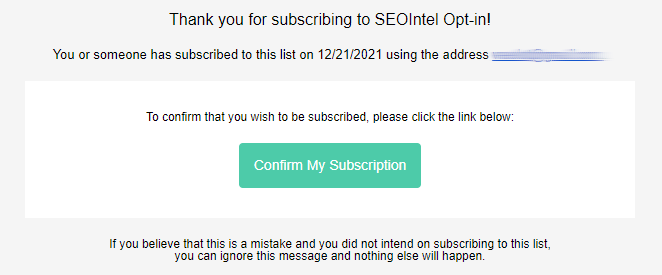
Before you can receive free updates, link building strategies or SEO tips you need to confirm your email right now.
(It’s easy)
Just go to your inbox, open the confirmation email from the SIA, and click the link.
And that’s it!
PS: If you don’t see a confirmation email, please check your spam/junk or promotions folders. Sometimes the confirmation message ends up there by mistake.