This week’s roundup captures a search landscape that is still moving fast — and not just because of rankings.
The May 2026 Core Update is still rolling out, and early signs show volatility building across the SERPs. Some site owners are reporting sharp movement, while others are seeing little change or mixed results. Because the rollout is not complete yet, the full impact is still unclear, but it is already giving SEOs plenty to watch.
At the same time, Google is adding more ways for publishers and creators to stand out inside AI-powered Search through Preferred Sources, perspectives, and Highly Cited labels. Meanwhile, OpenAI is pushing ChatGPT ads further into performance marketing with conversion-focused campaigns.
Together, these updates show how search and discovery are changing on multiple fronts: rankings are shifting, AI Search is creating new visibility surfaces, and AI platforms are becoming more commercial.
Google’s May 2026 Core Update is still rolling out, and early signs suggest that volatility is beginning to build across the search results.
The update officially began on May 21, 2026 at 8:40 AM Pacific Time, with Google saying the rollout may take up to two weeks to complete. Because the update is still active, it is too early to draw firm conclusions about winners, losers, or long-term ranking patterns.
Still, early tracking tools, SEO community discussions, forum chatter, and site owner reports suggest that movement became more noticeable over the first weekend after launch.
While the update was announced on May 21, many SEOs reported that the impact was not immediately obvious on day one. Instead, more visible movement appeared to build over the weekend.
SERoundtable reported that the May 2026 Core Update appeared to “land” over the weekend, with multiple rank tracking tools showing increased volatility. Tools referenced included Semrush, Advanced Web Rankings, SimilarWeb, Zutrix, Wincher, SERPstat, Sistrix, Accuranker, Mozcast, and others.
This is typical for core updates. The announcement date does not always match the moment when the largest ranking changes are felt. Some sites may move early, some later, and some may fluctuate several times before the rollout is complete.
So far, feedback from SEOs and site owners appears mixed.
Some are reporting sharp drops in rankings and traffic. Others say they are seeing little to no movement. There are also reports of partial recoveries from previous updates, small gains, and continued instability from sites that had already been affected by earlier core updates.
That mixed pattern is normal during a broad core update.
Google’s core updates are not penalties and are not aimed at specific sites. Instead, they are broad changes to Google’s ranking systems designed to improve how Search evaluates and surfaces helpful, reliable results.
Because of this, one site may lose visibility while another gains, even if neither did anything “wrong.” Google may simply be reassessing which results best match what users are looking for.
Some site owners have reported significant declines in organic traffic shortly after the update began rolling out.
These reports should be treated as anecdotal, but they do suggest that the update is already having a meaningful impact for some websites. In SEO communities, some affected site owners are describing sudden drops, homepage ranking declines, lower clicks, and reduced visibility across important queries.
At the same time, not all sites are seeing losses. Some SEOs are reporting little movement, while others are seeing slight gains.
This makes it difficult to identify one clear pattern at this stage.
One recurring theme in early discussions is topical focus.
Some SEOs are questioning whether sites with broad, loosely related content sections are more vulnerable during this update. The concern is that websites that have drifted too far from their core topic or business purpose may be reassessed more critically.
This is not confirmed by Google, and it is too early to call it a clear pattern. However, it fits with Google’s broader guidance around helpful, reliable, people-first content.
If a site has large amounts of content created mainly to capture search traffic rather than serve a clear audience need, that content may be worth reviewing once the update is complete.
The May 2026 Core Update is also rolling out during a period of major AI Search changes.
Google has been expanding AI Mode, AI Overviews, Search agents, Preferred Sources, and other AI-powered search features. Because of that, traffic changes may not be caused by rankings alone.
A site could maintain similar rankings but still receive fewer clicks if AI-generated answers change user behavior. Another site may lose traditional organic visibility but appear more often as a cited or linked source in AI-powered results.
This means SEOs should be careful when analyzing the update.
Traffic, rankings, impressions, AI Overview visibility, Discover performance, and click-through rate may all need to be reviewed together.
For now, the best approach is to monitor, not panic.
Google recommends waiting until a core update finishes rolling out before making major conclusions. After the rollout is complete, Google suggests waiting at least one full week before comparing Search Console data.
During the rollout, site owners should track:
But major content or sitewide changes should wait until the update has fully completed and the data is more stable.
Google has repeatedly advised against making quick fixes in response to core updates.
A core update drop does not necessarily mean a page is broken or penalized. It may mean Google’s systems are reassessing relevance, usefulness, or quality compared with other available results.
Instead of making rushed changes, site owners should review whether affected content genuinely provides:
If improvements are needed, they should be meaningful and user-focused rather than small SEO tweaks made only to recover rankings.
The May 2026 Core Update is still in progress, but early signs show increasing volatility and mixed results across the SEO community.
Some sites are seeing steep losses. Others are stable or slightly up. Tracking tools show more movement than the first day of rollout, but the full impact is still developing.
For now, it is too early to say what types of sites are being most affected. The clearest advice is to keep monitoring, avoid panic changes, and wait until the rollout is complete before making major decisions.
As always with core updates, the long-term focus should remain on building helpful, original, trustworthy content that clearly serves users better than what is already available.
Google is adding new ways for users to discover original, high-quality content inside AI-powered Search experiences, including AI Overviews and AI Mode.
The update introduces three major visibility features: Preferred Sources inside AI Search, a new carousel for timely articles and perspectives, and expanded Highly Cited labels for influential reporting. Together, these changes show Google trying to make AI Search more connected to the open web, while also giving publishers and creators more chances to stand out inside AI-generated results.
Preferred Sources Are Coming to AI Overviews and AI Mode
One of the biggest updates is that Google is bringing Preferred Sources directly into AI Overviews and AI Mode.
Preferred Sources already allowed users to select favorite websites in Search, particularly for Top Stories. Now, those selected sources can be highlighted inside AI-generated Search experiences as well. Google says users will be able to spot links in AI responses from sources they have already selected, with “Preferred” labels making those links stand out.
This matters because AI Search has raised concerns among publishers about reduced visibility and fewer clicks. By placing Preferred Sources inside AI Overviews and AI Mode, Google is giving users a way to bring trusted publishers and websites more directly into their AI Search experience.
Google also shared that users are twice as likely to click through to a Preferred Source, and that people have already selected more than 345,000 unique sources.
For publishers, this creates a new kind of audience relationship inside Search. It is no longer only about ranking for a query. It is also about becoming a source users actively choose to see more often.
Why Preferred Sources Matter for SEO
Preferred Sources could become an important visibility signal in user-personalized Search experiences.
If someone has selected a website as a Preferred Source, that site may be more noticeable inside AI-generated answers. This does not mean Preferred Sources replace rankings, but it does mean brand loyalty and audience trust may have a more visible role in Search.
For SEOs and publishers, this reinforces the importance of building a recognizable brand and encouraging repeat engagement.
Sites may want to encourage loyal readers to add them as a Preferred Source, especially if they regularly publish fresh content. Google says any website that publishes fresh content is eligible, and it also pointed site owners to documentation with tips for encouraging readers to use Preferred Sources.
This is an important shift. SEO has traditionally focused heavily on discoverability from unknown searchers. Preferred Sources adds another layer: visibility from users who already know and trust you.
Google Adds a New Carousel for Timely Articles
Google is also introducing a new carousel designed to help users explore timely articles and perspectives on developing topics.
For some searches, especially when users are trying to understand the latest updates on a topic, Google says AI responses may show initial context followed by a prominent carousel of links. This carousel can also highlight the user’s Preferred Sources.
This is significant for publishers because it gives timely content a more visible placement within AI Search.
Instead of only showing an AI summary, Google may provide a more obvious path into related articles. That could create more click opportunities for fresh reporting, especially when users want to go deeper than the AI-generated summary.
Google says this feature is designed to make timely articles more visible on a wider range of queries.
Firsthand Perspectives and Community Content Get More Visibility
Google is also adding a similar carousel for searches where users may be looking for insights from others.
According to Google, some searches will soon show helpful perspectives from online discussions, forums, and social media.
This fits with a broader trend in Search: users often want more than a polished summary. They want firsthand experiences, community opinions, creator insights, and real-world context.
For SEO, this reinforces the growing value of experience-driven content. Forums, discussions, creator posts, social conversations, and firsthand accounts may continue gaining visibility when users are looking for authentic perspectives rather than generic answers.
This also connects with Google’s larger push toward original, helpful, and non-commodity content. Generic content is easy for AI to summarize. Unique experiences and firsthand perspectives are harder to replace.
Highly Cited Labels Highlight Original Reporting
Google is also expanding its Highly Cited labels on Search results.
These labels are designed to help users identify articles that have been cited by many other stories. Google says this can help people find primary reporting or influential coverage that other articles are referencing. Google will also indicate when an article explicitly references a Highly Cited source.
This is especially relevant for news publishers.
In fast-moving stories, many outlets may cover the same topic. Highly Cited labels can help distinguish the original or influential reporting from derivative coverage. For users, it provides a clearer path to the source behind the story. For publishers, it creates more visibility for work that other publications rely on.
This is another example of Google trying to reward original reporting and source authority, rather than simply surfacing repeated versions of the same information.
What This Means for Publishers
Google’s latest update appears designed to address a central tension in AI Search: how to provide useful AI-generated answers while still helping users discover the websites, creators, and publishers behind the information.
The new features give publishers several possible visibility opportunities:
This does not remove concerns about AI Search reducing clicks. But it does show Google experimenting with more visible source pathways inside AI-generated experiences.
For publishers, the message is clear: direct audience relationships matter more than ever. If readers value a publication enough to select it as a Preferred Source, that relationship may influence how prominently the publication appears in AI Search.
What This Means for SEO
From an SEO perspective, this update reinforces several important shifts.
First, brand recognition and trust may become more important. Preferred Sources gives users a way to directly signal which sites they want to see more often.
Second, fresh content still matters. The new carousel for timely articles suggests Google wants to surface recent, relevant reporting more prominently when topics are developing.
Third, firsthand perspectives are gaining visibility. Content from forums, social media, creators, and discussions may become more important when users want real-world insight.
Fourth, original reporting may receive stronger visibility signals through Highly Cited labels.
This means SEO is moving beyond simply publishing content around keywords. It increasingly involves building trust, publishing original work, creating fresh and useful updates, and giving users a reason to choose your site as a preferred source.
The Bigger Picture
Google’s update is part of a broader effort to position AI Search as a discovery layer, not just an answer engine.
AI Overviews and AI Mode can summarize information, but Google is also adding more ways for users to click through, explore sources, and find original perspectives. This is especially important as AI Search becomes more central to the search experience.
For publishers and SEOs, the opportunity is shifting.
Visibility may come not only from ranking in traditional results, but also from being labeled, cited, preferred, surfaced in carousels, or included as a trusted source in AI-generated responses.
The sites that benefit most will likely be those that build loyal audiences, publish original and timely content, and offer perspectives that users cannot get from generic summaries alone.
Key Takeaways
OpenAI is moving ChatGPT ads beyond early testing and into performance marketing.
According to Search Engine Land, OpenAI has confirmed that conversion-optimized ad campaigns are coming to ChatGPT, with rollout beginning in early June. The update introduces ROI-focused campaign optimization and conversion tracking directly into ChatGPT ads, making this one of the clearest signs yet that OpenAI is building a serious performance advertising platform around conversational AI.
SERoundtable also reported that conversion-optimized campaigns will become available to some advertisers starting June 5, 2026, with access expected for accounts that set up the OpenAI Pixel or Conversions API before June 1.
This is a major development for advertisers because it signals that ChatGPT ads are no longer just experimental placements or brand-awareness inventory. OpenAI is now moving toward campaigns built around measurable business outcomes.
From ChatGPT Ads to Performance Campaigns
OpenAI began testing ads in ChatGPT earlier this year, positioning them as a way to support free access while keeping ads clearly labeled and separate from the assistant’s answers. In its original ad testing announcement, OpenAI said ads would not influence responses, conversations would remain private from advertisers, and users would have transparency and control over the ad experience.
The latest update pushes that system further.
Conversion-optimized campaigns bring ChatGPT ads closer to the performance models advertisers already know from Google Ads, Meta, and other paid media platforms. Instead of only buying exposure or clicks, advertisers will be able to optimize campaigns toward actions that matter, such as sign-ups, purchases, leads, or other conversion events.
That requires tracking infrastructure, which is where the OpenAI Pixel and Conversions API come in. According to SERoundtable, advertisers that had those tracking tools set up before June 1 are expected to gain access to conversion-optimized campaigns.
Why This Is a Big Shift
This update matters because ChatGPT is not a traditional ad environment.
In Google Search, ads are usually triggered by explicit queries. A user searches for “best CRM software” or “buy running shoes,” and the ad system responds to that commercial intent.
In ChatGPT, the user journey can be more conversational. A user may begin with a research question, continue through multiple follow-ups, compare options, ask for recommendations, and only later reveal purchase intent. Business Insider reported that early ChatGPT ad data suggests ads can be tied to “conversational intent,” where commercial opportunity emerges through the context of an ongoing dialogue rather than a single keyword.
That is what makes ChatGPT ads potentially different.
The ad opportunity is not just the query. It is the conversation.
For advertisers, this could open up a new kind of intent-based targeting where ads appear closer to the point where a user is evaluating, deciding, or ready to act.
OpenAI Has Been Building Toward This
This conversion-focused rollout follows several earlier steps in OpenAI’s ad expansion.
In May, OpenAI announced new ways for advertisers to buy and manage ChatGPT ads, including access to Ads Manager. The company said the platform was built around its ads principles, including user control and transparency.
Axios also reported that OpenAI launched a self-serve advertising platform in May 2026, initially in beta, as part of a larger effort to scale advertising revenue.
Adweek had previously reported that OpenAI’s Ads Manager infrastructure showed signs of conversion-based campaign tools and performance metrics before the latest confirmation.
Now, with conversion-optimized campaigns rolling out, the direction is clearer. OpenAI is building an ad platform that can serve both awareness and performance goals.
What Conversion-Focused ChatGPT Ads Could Look Like
The exact campaign mechanics may continue evolving, but the direction suggests advertisers will be able to optimize toward measurable actions rather than only impressions or clicks.
That could include goals such as:
This brings ChatGPT ads into the same performance conversation as Google Ads and Meta Ads, but with a different user context.
The biggest difference is that ChatGPT users may be actively asking for help, recommendations, comparisons, explanations, and next steps. If ads are well-matched to those moments, they could feel more like suggested solutions than traditional display placements.
However, that also increases the importance of trust.
If users feel ads are steering the conversation or influencing the assistant’s recommendations, OpenAI could face backlash. That is why the company has repeatedly emphasized that ads are labeled, do not influence ChatGPT’s answers, and that advertisers do not get access to user conversations.
What This Means for PPC
For PPC advertisers, this could become one of the most important new channels to watch.
ChatGPT has a large and highly engaged user base, and conversations often include strong signals of interest, uncertainty, research intent, and potential purchase readiness. Business Insider reported that advertisers are already showing strong interest in ChatGPT’s ad economy, particularly in areas like software and travel.
If OpenAI can combine conversational intent with reliable conversion tracking, advertisers may begin testing ChatGPT ads not only for awareness, but for measurable acquisition.
That could make ChatGPT particularly interesting for:
The stronger the user’s need for guidance before buying, the more valuable a conversational ad placement could become.
What This Means for SEO and AI Visibility
This is not only a PPC story.
ChatGPT ads also matter for SEO and AI visibility because they show how AI assistants are becoming commercial discovery platforms.
Users are not just searching for facts. They are using AI tools to compare options, evaluate brands, find products, plan purchases, and make decisions. Paid placements are now starting to enter that journey more directly.
That means brands may need to think about visibility in AI environments across both organic and paid surfaces.
Organic visibility may involve being mentioned, cited, recommended, or trusted as a source inside AI systems. Paid visibility may involve appearing through ChatGPT ads when users show relevant commercial intent.
Together, this points to a broader shift: AI assistants are becoming part of the marketing funnel.
The Google Ads Comparison
OpenAI’s move into conversion-focused advertising also puts more pressure on Google.
Google has long dominated performance search advertising because it captures high-intent users at the moment they search. But ChatGPT’s ad model may create a different kind of intent signal: one based on the full conversation rather than a single search query.
Business Insider reported that early data suggests ChatGPT ads may present a new challenge to Google because they can capture “intent drift,” where a user begins with a non-commercial conversation and gradually moves toward a purchase decision.
This does not mean ChatGPT ads will immediately replace Google Ads. Google still has massive scale, mature advertiser tools, and deep commercial search behavior. But OpenAI is clearly positioning ChatGPT as more than a chatbot. It is becoming a discovery, recommendation, and now advertising platform.
The Bigger Picture
OpenAI’s move into conversion-optimized campaigns is a major step in the commercialization of AI assistants.
The company is no longer only testing whether ads can appear in ChatGPT. It is now testing whether ChatGPT can become a performance marketing channel that advertisers use to drive measurable business results.
For marketers, the key takeaway is that AI advertising is becoming more practical, measurable, and conversion-focused.
For users, the major question will be whether OpenAI can maintain trust while introducing ads deeper into conversational experiences.
For Google, the challenge is clear: search advertising is no longer the only place where high-intent discovery can happen.
Key Takeaways
This week’s updates show that SEO and search marketing are no longer moving in just one direction.
The May 2026 Core Update is still unfolding, and SEOs will need to wait for the rollout to complete before making firm conclusions. But while rankings continue to shift, Google is also creating new ways for trusted sources, original reporting, and firsthand perspectives to appear inside AI Search. That means visibility is becoming broader than traditional rankings alone.
At the same time, ChatGPT ads moving into conversion-focused campaigns shows that AI platforms are becoming part of the performance marketing funnel. For marketers, the message is clear: search visibility, AI visibility, and paid AI discovery are starting to overlap.
The brands and publishers that adapt early — by building trust, creating original content, and tracking new discovery channels — will be in a stronger position as this new search landscape continues to take shape.
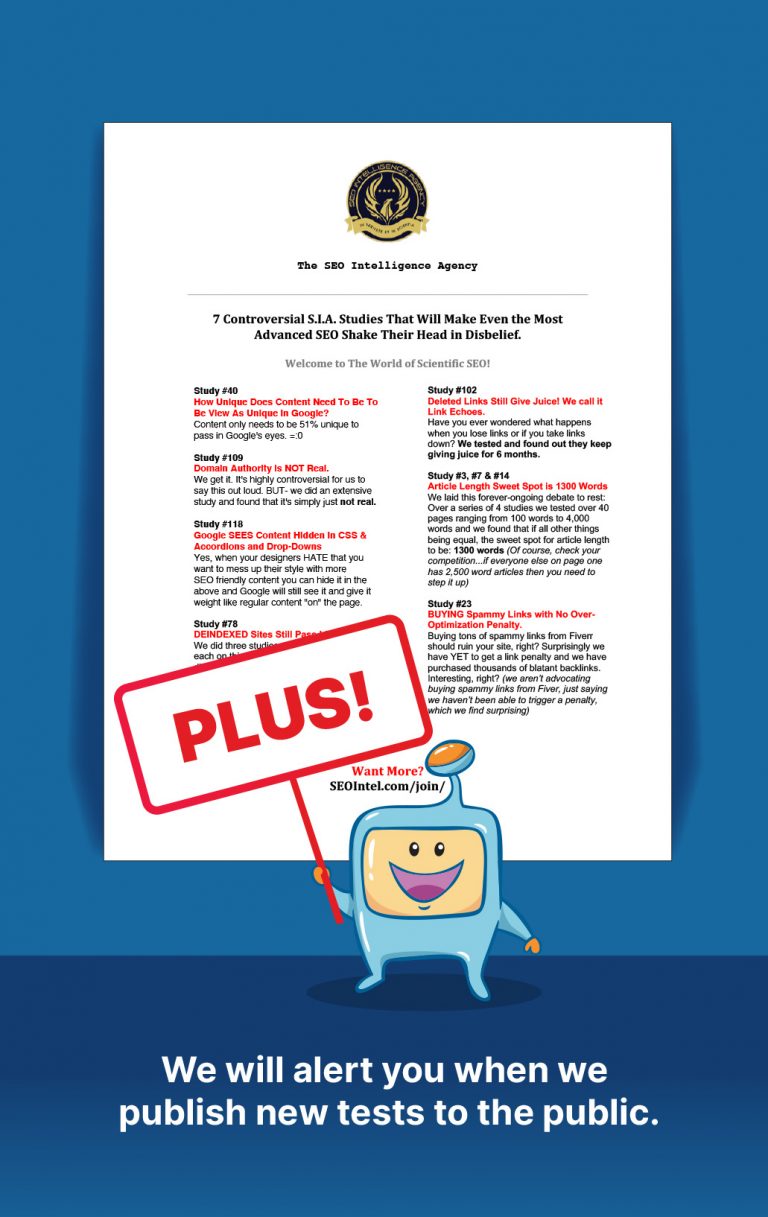
Get Our Most 7 Controversial S.I.A. Studies That Will Make Even the Most Advanced SEO Shake Their Head in Disbelief.
Plus we will alert you when we publish new tests to the public.
Obtenga nuestros 7 estudios S.I.A. más controvertidos que harán que incluso el SEO más avanzado sacuda la cabeza con incredulidad.
Además, le avisaremos cuando publiquemos nuevas pruebas al público.
Obtenez nos 7 études S.I.A. les plus controversées qui feront trembler la tête même les SEO les plus avancés d’incrédulité.
De plus, nous vous alerterons lorsque nous publierons de nouveaux tests au public.
Before you can receive free updates, link building strategies or SEO tips you need to confirm your email right now.
(It’s easy)
Just go to your inbox, open the confirmation email from the SIA, and click the link.
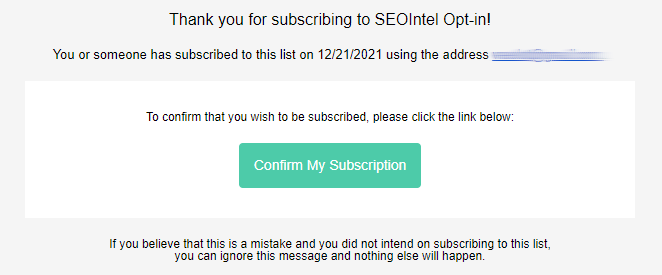
And that’s it!
PS: If you don’t see a confirmation email, please check your spam/junk or promotions folders. Sometimes the confirmation message ends up there by mistake.