Google didn’t just release one update this week—it released two.
The March 2026 spam update rolled out fast and quietly, finishing in under a day, while the March 2026 core update began rolling out shortly after, expected to take up to two weeks to fully complete. Together, they signal a clear message: Google is tightening enforcement while simultaneously recalibrating how content is ranked.
Alongside these updates, Google is also evolving how it understands content (with new structured data for forums and AI labeling) and how users interact with search (through the global expansion of Search Live). This week’s changes span ranking, crawling, content structure, and user experience—making it one of the more important weeks to pay attention to.
Google has released its March 2026 spam update, and in typical fashion, details are limited—but the speed and timing of this rollout make it worth paying attention to.
The update officially began on March 24, 2026, and was completed in under 24 hours, making it one of the fastest spam updates Google has ever deployed.
Unlike major core updates, this was described as a “normal spam update”, impacting all languages and regions globally.
One of the Fastest Spam Updates Ever
One of the most notable aspects of this update is how quickly it rolled out:
For context, previous spam updates have taken days or even weeks to fully roll out. The August 2025 spam update, for example, took nearly a month.
This unusually fast rollout suggests this was likely a targeted system refresh, rather than a large-scale overhaul of spam policies.
What the Update Targeted (and What It Didn’t)
As with most spam updates, Google did not disclose specific targets. However, based on available information:
What it targeted:
What it did NOT specifically target:
Instead, this update appears to be part of ongoing improvements to Google’s spam detection systems—particularly SpamBrain, its AI-based spam prevention system.
No New Policies — Just Stronger Enforcement
Unlike the major March 2024 spam update, which introduced new categories like:
…the March 2026 update did not come with new policies or announcements.
That’s an important distinction.
This wasn’t about redefining spam—it was about getting better at detecting and enforcing it.
What to Expect if You Were Impacted
Google has been consistent in its guidance for spam updates:
In other words, if your rankings shifted around March 24–25, this update could be the cause—even if Google hasn’t specified exactly why.
Why This Update Matters
Even though this was labeled a “normal” spam update, its timing is important.
It comes amid:
And while this update didn’t explicitly target AI content, it reinforces a consistent message:
👉 Google is not penalizing AI itself—but it is getting better at identifying low-value, manipulative, or scaled content, regardless of how it’s created.
The Bigger Picture
The March 2026 spam update may not have introduced new rules—but it signals something just as important:
For SEOs and publishers, that means less time to react—and a stronger need to stay aligned with Google’s quality standards at all times.
In a search environment increasingly shaped by AI, spam updates like this are a reminder that visibility isn’t just about optimization anymore—it’s about staying compliant, credible, and genuinely useful.
Google has officially rolled out its March 2026 core update, continuing its pattern of broad algorithm changes designed to improve how content is evaluated and ranked across Search.
The update began rolling out today – March 27 and will take two weeks to fully complete, following the typical rollout window for core updates.
As with all core updates, Google did not target specific sites or tactics. Instead, it introduced a broad re-evaluation of content quality, relevance, and usefulness across the web.
A Classic Core Update — Broad, Global, and Impactful
Google confirmed that this was a standard core update, meaning:
Core updates are not penalties. Instead, they reshuffle rankings based on which content best satisfies search intent at that moment.
That’s why during the rollout, many sites reported:
What Changed: Quality, Relevance, and Intent Alignment
While Google did not provide specific ranking factors, early observations and industry analysis point to several key themes:
1. Stronger Emphasis on Content Quality
The update appears to reinforce Google’s ongoing focus on:
This aligns with Google’s long-term push around E-E-A-T (Experience, Expertise, Authoritativeness, Trustworthiness).
2. Better Evaluation of Search Intent
Content that clearly and completely answers user queries appears to be favored, while:
may be losing visibility.
Core updates increasingly reward content that fully satisfies the user’s need—not just matches keywords.
3. Continued Refinement of AI Content Evaluation
With the rise of AI-generated content, this update likely reflects improvements in how Google:
Importantly, the focus is not on penalizing AI—but on rewarding helpful, human-centered content, regardless of how it’s created.
A Pattern of Ongoing Volatility
The March 2026 core update comes amid a period of consistent ranking volatility across Search, with multiple updates and system adjustments happening close together.
This suggests that Google is:
In other words, core updates are becoming less isolated events and more part of an ongoing recalibration cycle.
How This Update Differs From Spam Updates
It’s important to distinguish this from the just concluded March 2026 spam update:
If your site was impacted:
Core updates don’t mean something is “wrong”—they mean something else is now considered more helpful or relevant.
What to Do If You Are Impacted
Google’s guidance for core updates remains consistent:
There are no quick fixes. Recovery typically happens:
The Bigger Picture
The March 2026 core update reinforces a larger trend:
As Google continues evolving Search alongside AI, core updates like this are a reminder that long-term value—not short-term tactics—drives visibility.
In an environment where answers are becoming faster and more direct, the content that wins will be the content that still deserves to be clicked.
Google has introduced new updates to its structured data documentation for forum and Q&A content, signaling a deeper focus on how it interprets user-generated discussions—especially in an AI-driven web.
The update adds new properties and clarifications for QAPage and DiscussionForumPosting schema types, giving publishers more control over how their content is understood in Search.
What Changed: New Properties for Modern Discussion Content
The update introduces several new structured data fields designed to better reflect how discussions actually work today:
1. digitalSourceType — Labeling AI vs Human Content
One of the most important additions is the ability to indicate how content was created.
This is a clear move toward transparency around AI-generated content, especially within forums and Q&A platforms.
2. commentCount — Better Thread Visibility
Google now supports commentCount across questions, answers, and comments.
This allows sites to:
Google also recommends that:
answerCount + commentCount = total replies
3. sharedContent — Understanding Quotes and Embedded Content
For forum posts, Google now supports sharedContent, which helps identify:
This helps Google better distinguish between original contributions vs referenced material.
Why Google Made This Update
This update reflects a growing challenge:
modern web content—especially forums—is messy, layered, and increasingly AI-influenced.
Google specifically noted that these additions help it:
In short, Google is trying to reduce misinterpretation of UGC (user-generated content)—which has become more complex in the AI era.
Why This Matters for SEO
1. Forums and UGC Sites Get More Clarity (and Responsibility)
Platforms like forums, communities, and Q&A sites can now:
But they also need to be more intentional about:
2. AI Content Transparency Is Becoming Standard
The addition of digitalSourceType is a strong signal:
👉 Google is not just detecting AI content—it wants publishers to declare it.
This aligns with broader trends:
3. Structured Data Is Expanding Beyond Rich Results
Historically, structured data was tied to rich results (FAQs, reviews, etc.).
Now, it’s increasingly about:
This reinforces that structured data is becoming more important for interpretation—not just visibility.
A Quiet but Important Direction
This update may seem small, but it reflects a bigger shift:
Combined with other recent updates around crawling, AI search, and content evaluation, this move shows that Google is actively rebuilding how it interprets the modern web.
The Bigger Picture
As forums, communities, and user-generated content continue to grow—and as AI becomes part of content creation—Google needs better ways to:
This structured data update is one of the clearest signals yet that the future of SEO isn’t just about content—it’s about context, structure, and transparency.
Google is expanding Search Live, its real-time, conversational search experience, to a global audience—marking another major step in turning Search into something closer to an interactive AI assistant.
With this rollout, Search Live is now available in more than 200 countries and territories, supporting multiple languages and expanding access far beyond its earlier limited releases.
What Search Live Actually Is
Search Live is part of Google’s broader AI Mode experience, allowing users to interact with Search in real time using:
Instead of typing a query and scanning results, users can now:
This transforms search from a static results page into a continuous, interactive experience.
Powered by Gemini — and Designed for Conversations
The global expansion is powered by Google’s latest AI models, including a multilingual, audio-focused version of Gemini, designed to make interactions feel faster and more natural.
This matters because Search Live isn’t just about adding voice—it’s about enabling:
In practice, that means users can move from:
“What is this?” → “How do I use it?” → “Where can I buy it?”
…without restarting the search process each time.
From Search to “Live” Interaction
Search Live represents a clear evolution in how Google is thinking about search behavior.
Traditionally:
With Search Live:
This aligns with broader changes already happening in Google Search:
Search Live brings all of that into a real-time, multimodal interface.
Why This Expansion Matters
1. Search Becomes More Immediate and Contextual
Instead of planning queries, users can interact with search as situations happen—whether they’re fixing something, shopping, or exploring a new place.
2. Multimodal Search Goes Mainstream
By combining voice and camera, Google is pushing beyond text-based search into real-world, visual-first interactions.
3. Global Reach Changes the Game
Expanding to 200+ countries means this is no longer an experiment—it’s becoming a core part of the search experience worldwide.
4. The Line Between Search and Assistant Keeps Blurring
Search Live reinforces a trend we’re seeing across Google:
Implications for SEO and Discovery
For SEOs and publishers, Search Live introduces new considerations:
It also reinforces a larger shift:
visibility is no longer just about ranking—it’s about being part of the answer flow.
The Bigger Picture
Search Live is another signal that Google is moving toward a future where search is:
Rather than replacing search, Google is redefining it—turning it into something that works more like a real-time assistant embedded into everyday moments.
As this rolls out globally, the key question isn’t just how users will search—but how they’ll interact with information in the first place.
This week makes one thing clear: Google is evolving on multiple fronts at once.
From faster spam enforcement to ongoing core ranking recalibrations, and from structured data changes to new AI-driven search experiences, the direction is consistent—Search is becoming more quality-driven, context-aware, and interactive.
For SEOs and publishers, the takeaway isn’t just about reacting to updates. It’s about understanding how these changes connect—and how visibility is increasingly shaped by content quality, structure, and how users interact with search itself.
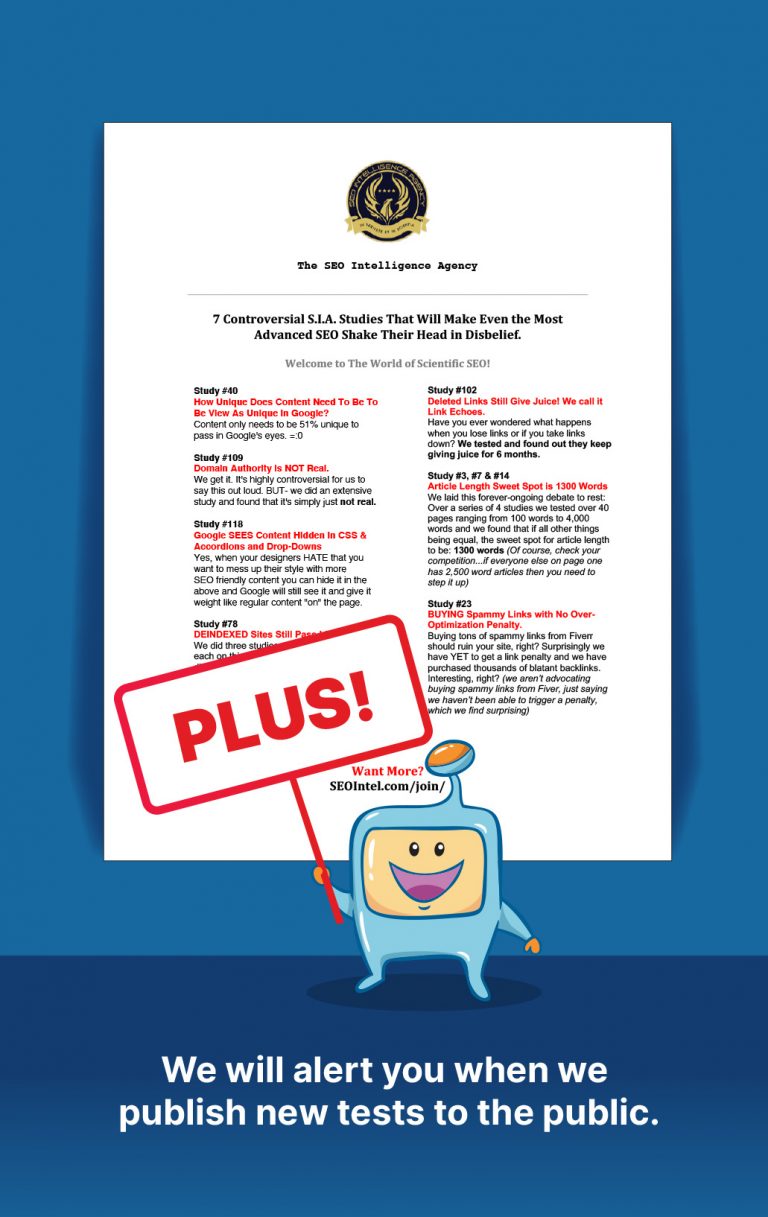
Get Our Most 7 Controversial S.I.A. Studies That Will Make Even the Most Advanced SEO Shake Their Head in Disbelief.
Plus we will alert you when we publish new tests to the public.
Obtenga nuestros 7 estudios S.I.A. más controvertidos que harán que incluso el SEO más avanzado sacuda la cabeza con incredulidad.
Además, le avisaremos cuando publiquemos nuevas pruebas al público.
Obtenez nos 7 études S.I.A. les plus controversées qui feront trembler la tête même les SEO les plus avancés d’incrédulité.
De plus, nous vous alerterons lorsque nous publierons de nouveaux tests au public.
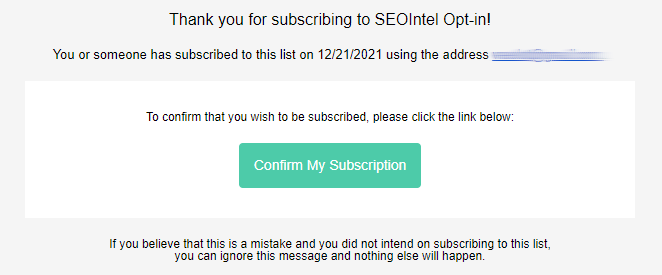
Before you can receive free updates, link building strategies or SEO tips you need to confirm your email right now.
(It’s easy)
Just go to your inbox, open the confirmation email from the SIA, and click the link.
And that’s it!
PS: If you don’t see a confirmation email, please check your spam/junk or promotions folders. Sometimes the confirmation message ends up there by mistake.